

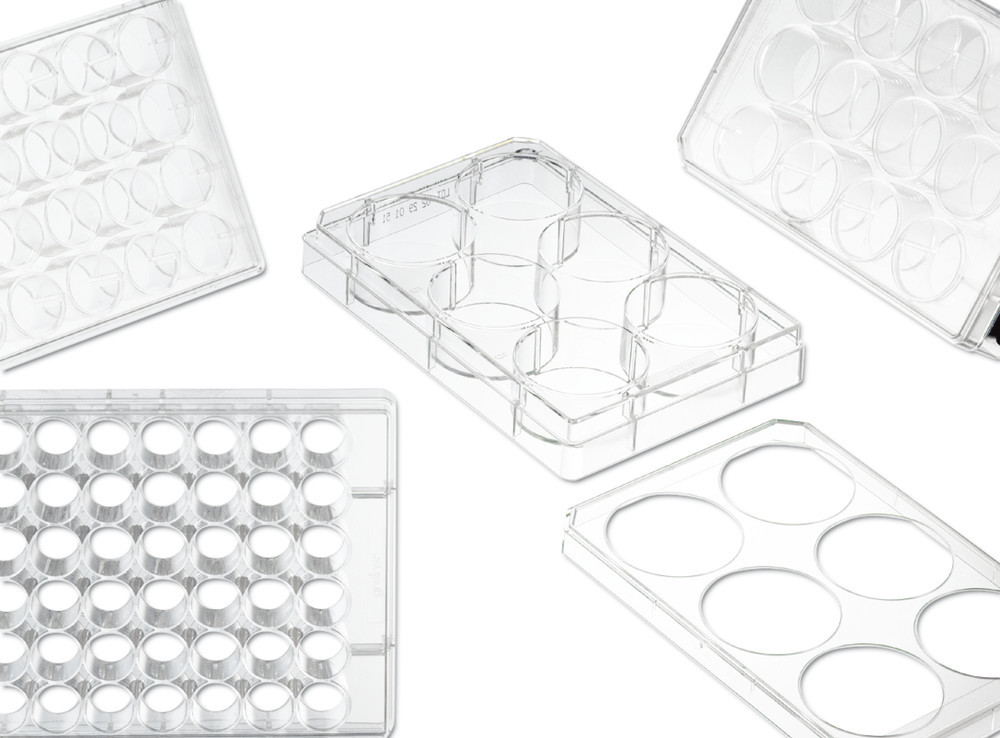
Suzhou, China –In the fast-evolving field of biotechnology and life sciences, cell culture remains a cornerstone technique for research, drug development, and therapeutic applications. Among the critical factors influencing cell culture success is the quality of consumables used, particularly those subjected to TC treatment. But what exactly does “TC treatment” mean, and why is it so vital for laboratory workflows? This article delves into the science behind TC treatment, its significance, and how it impacts cell-based experiments, with insights from industry leaders like Suzhou Ace Biomedical Technology Co., Ltd.
What is TC Treatment?
Why is TC Treatment Necessary?
-
Promoting Cell Adhesion: Treated surfaces reduce the risk of cells floating in the medium, which is crucial for anchorage-dependent cells like fibroblasts or epithelial cells. -
Enhancing Proliferation: Improved attachment often correlates with faster cell division, reducing culture time and increasing efficiency. -
Ensuring Reproducibility: Consistent surface properties minimize batch-to-batch variations, a key concern in regulated environments like pharmaceutical testing.
For example, in cancer research or stem cell studies, where precise cell behavior is paramount, untreated surfaces could introduce artifacts. TC-treated consumables, such as those offered by Suzhou Ace Biomedical Technology, provide a standardized foundation, aligning with best practices in ISO-certified laboratories. This is particularly important in applications like 3D cell culture or organoid development, where surface characteristics can influence complex cellular interactions.
The TC Treatment Process: Methods and Innovations
-
Plasma Treatment: A dry, non-chemical method that uses low-temperature plasma to increase surface hydrophilicity. It is eco-friendly and suitable for high-volume production, ensuring minimal residue. -
Coating Techniques: Applied coatings, such as extracellular matrix proteins, offer customized support for specific cell types. For instance, collagen coatings benefit mesenchymal cells, while poly-L-lysine is ideal for neurons.
Benefits and Applications in Modern Laboratories
-
Cost-Efficiency: Reduced cell loss means less reagent waste and shorter experiment times. -
Scalability: Treated surfaces support high-density cultures, facilitating large-scale bioprocessing and drug screening. -
Flexibility: Compatible with various cell types, including primary cells and sensitive lines, making them versatile for academic, clinical, and industrial settings.
Conclusion: Embracing Quality in Cell Culture
In summary, TC treatment is a fundamental aspect of cell culture consumables that directly impacts experimental integrity. By understanding its role in enhancing cell attachment and growth, researchers can make informed choices when selecting laboratory tools. As a trusted manufacturer, Suzhou Ace Biomedical Technology Co., Ltd. is committed to providing high-quality, TC-treated products that empower scientific discovery. We invite you to explore our range at www.ace-biomedical.com and experience the difference that precision engineering can make in your next breakthrough.
Post time: Oct-29-2025