

In the realm of molecular biology, particularly in sensitive applications like PCR, qPCR, and NGS, achieving consistent, high-efficiency amplification is paramount. Researchers often meticulously optimize primer design, enzyme formulations, and thermal cycling protocols. However, a frequently overlooked variable lies not in the protocol itself, but in the very vessels that hold the reaction: the consumables. Substandard or contaminated PCR plates, tubes, and tips can introduce "invisible" RNase and DNase contamination, leading to degraded nucleic acid templates, failed reactions, and irreproducible data—costing valuable time, resources, and sample integrity.
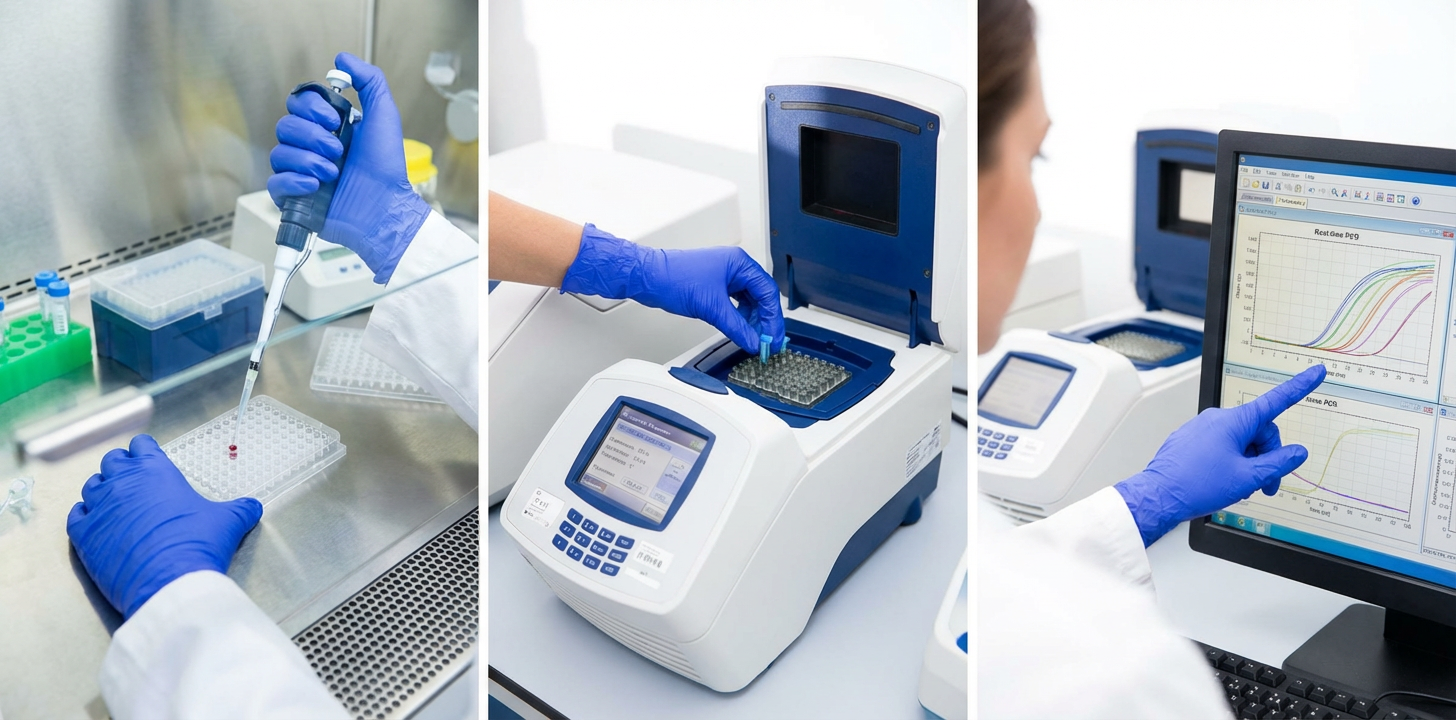
The Silent Saboteurs: RNase and DNase
Ribonucleases (RNases) and Deoxyribonucleases (DNases) are enzymes that degrade RNA and DNA, respectively. They are notoriously stable, ubiquitous in the environment (present on skin, in dust, and on surfaces), and require minimal activity to ruin an experiment. While most researchers are vigilant about using nuclease-free water and reagents, the consumables are a critical potential source. During manufacturing, if not subjected to rigorous purification and sterilization processes, plasticware can retain these enzymes or become contaminated post-production.
How Consumable Contamination Manifests:
- Reduced Amplification Efficiency: Partial degradation of templates or primers leads to lower yield, higher Cq values in qPCR, and poor sensitivity.
- Complete Reaction Failure: Severe contamination can degrade all nucleic acids, resulting in no amplification.
- High Background & Non-Specific Products: Degraded nucleic acids can interfere with proper primer annealing and enzyme function.
- Irreproducibility: Inconsistent contamination levels across different lots of consumables lead to variable results, undermining experimental validity.
Beyond Certification: The Ace Biomedical Standard
Many consumables claim to be "PCR clean" or "nuclease-free," but the assurance level varies. At Suzhou Ace Biomedical Technology Co., Ltd., we understand that trust in your consumables is non-negotiable. Our PCR Plates, PCR Tubes, and Pipette Tips are engineered to meet the highest standards for nucleic acid work:
- Raw Material Purity: We use medical-grade, virgin polypropylene that is inherently low in contaminants.
- Advanced Manufacturing: Our production is carried out in controlled environments. A key step is gamma irradiation sterilization, which not only ensures sterility but also helps inactivate any potential nuclease activity.
-
Rigorous Quality Control: Every batch undergoes stringent validation tests, including:
Certified Nucleic Acid-Free: Our consumables are certified free of contaminating nucleic acids and nucleases, providing a guaranteed clean environment for your most sensitive reactions.
- PCR Compatibility Test: Verification that the consumables do not inhibit standard PCR reactions.
- Nuclease Activity Assay: Testing to confirm the absence of detectable RNase and DNase activity.
- Human DNA Contamination Check: Ensuring no background human genomic DNA is present.
Best Practices Paired with Quality Products
Using high-integrity consumables is the first line of defense. We recommend:
- Always purchasing consumables from reputable suppliers with transparent QC data.
- Using filter pipette tips (like our Ace-Filter Tips) to prevent aerosol carryover and sample protection.
- Sealing plates properly with our PCR Sealing Films to prevent contamination during runs.
- Storing consumables in a clean, dry environment.
Conclusion
When troubleshooting suboptimal PCR results, look beyond the protocol. The choice of labware is a critical component of experimental success. Investing in certified, high-purity consumables from trusted manufacturers like Ace Biomedical is not an expense but a safeguard for your research integrity. It eliminates a major variable, ensuring that your results truly reflect your science, not hidden contamination.
Equip your lab with confidence. Choose Ace Biomedical consumables for purity that matches your precision.
Post time: Mar-27-2026