

In modern laboratories, sample protection and storage efficiency have become increasingly important. Whether in molecular biology, pharmaceutical research, clinical diagnostics, or high-throughput screening, preventing sample evaporation, contamination, and degradation is essential for reliable experimental results.
Among laboratory consumables, microplate sealing films, deep well plate covers, and silicone caps are three commonly used solutions for protecting samples. Although they all serve the purpose of sealing and protecting containers, their designs, materials, and application scenarios are quite different.
Understanding the differences between these sealing solutions can help laboratories select the most suitable product for their workflow.
1. Microplate Sealing Films: Ideal for PCR, Assays, and Short-Term Sample Protection
Microplate sealing films are widely used with PCR plates, assay plates, and storage plates. They are thin adhesive films designed to create a secure seal over the entire plate surface.
One of the most important applications of sealing films is PCR and qPCR experiments. During thermal cycling, preventing evaporation from individual wells is critical because even small volume changes can affect reaction concentrations and lead to inaccurate results.
High-quality PCR sealing films provide:
- Excellent sealing performance during temperature changes
- Low evaporation rates during PCR cycling
- Optical clarity for fluorescence detection
- Compatibility with automated laboratory workflows
- Easy application and removal
For molecular diagnostic laboratories and research institutes, sealing films are especially valuable when working with small-volume reactions, such as 10–50 μL PCR reactions.
In addition to PCR applications, sealing films are also commonly used for ELISA, compound screening, sample transportation, and temporary storage of biological samples.
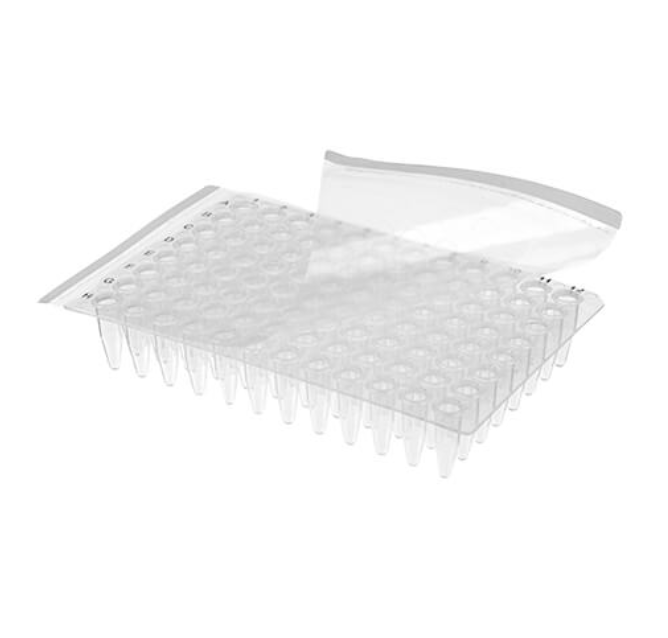
2. Deep Well Plate Covers: Designed for Sample Storage and High-Throughput Processing
Deep well plates are commonly used for sample preparation, compound storage, nucleic acid extraction, and automated liquid handling systems.
Unlike sealing films, deep well plate covers are rigid or semi-rigid covers designed specifically to match deep well plates. They provide a convenient solution for laboratories that need repeated access to stored samples.
Deep well plate covers are commonly used in:
- Nucleic acid extraction workflows
- Protein and compound storage
- High-throughput screening
- Sample preparation before analytical testing
- Automated robotic liquid handling platforms
The main advantages of deep well plate covers include:
- Easy installation and removal
- Protection from dust and external contamination
- Compatibility with automated systems
- Suitable for repeated handling
For laboratories processing hundreds or thousands of samples, deep well plate covers provide a practical balance between protection and operational efficiency.
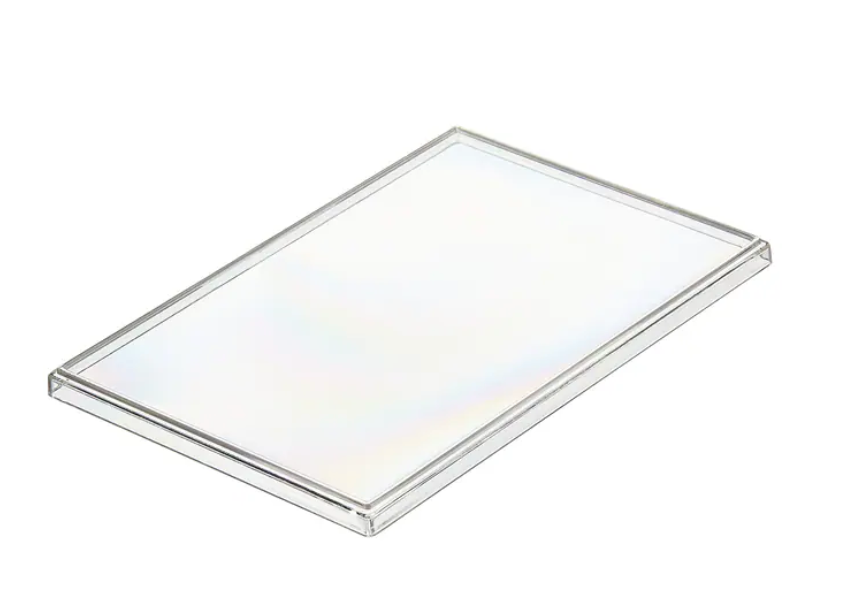
3. Silicone Caps: Best Choice for Repeated Access and Long-Term Sample Storage
Silicone caps are different from sealing films and standard plate covers because they provide a reusable sealing solution.
Silicone caps are usually manufactured from flexible silicone materials, allowing them to tightly seal individual wells while still allowing repeated penetration by pipette tips.
They are commonly used in:
- Sample storage plates
- Biobanks
- Chemical libraries
- Reagent storage
- Repeated sampling applications
The major advantages of silicone caps include:
- Excellent sealing performance
- Reusable design
- Reduced sample evaporation
- Suitable for repeated access
- Good chemical resistance
For applications where samples need to be accessed multiple times, silicone caps are often more convenient than disposable sealing films.
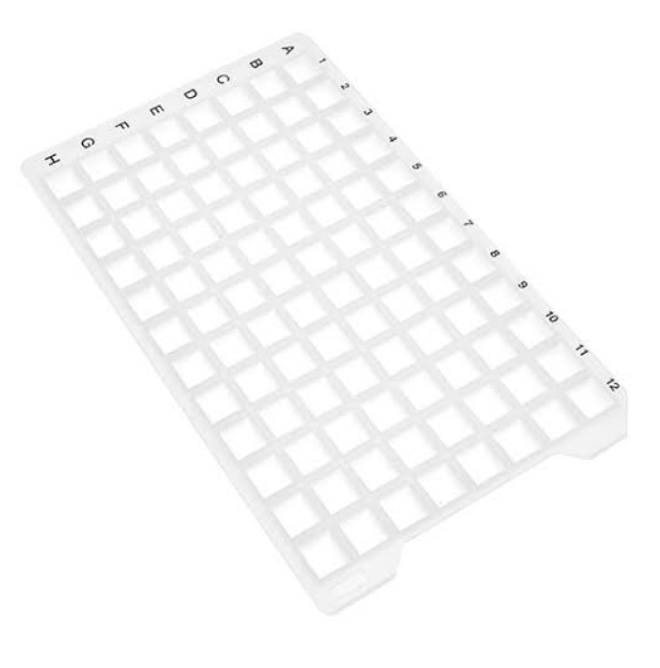
4. How to Select the Right Sealing Solution?
Choosing the correct sealing product depends mainly on the application requirements.
For PCR and molecular diagnostic applications:
→ PCR sealing films are usually the preferred choice because they provide reliable sealing during thermal cycling and fluorescence detection.
For sample preparation and automated workflows:
→ Deep well plate covers are recommended because they allow efficient handling and integration with laboratory automation systems.
For long-term storage and repeated sample access:
→ Silicone caps provide better flexibility and durability.
A simple comparison:
| Product | Main Application | Key Advantage |
|---|---|---|
| Sealing Film | PCR, qPCR, ELISA, short-term storage | Strong sealing and evaporation control |
| Deep Well Plate Cover | Sample preparation and automation | Easy handling and high-throughput compatibility |
| Silicone Cap | Long-term storage and repeated access | Reusable and durable sealing |
Conclusion
Microplate sealing films, deep well plate covers, and silicone caps each play an important role in modern laboratory workflows. While they share the same purpose of protecting samples, their different designs make them suitable for different applications.
Selecting the right sealing solution can improve experimental reliability, reduce sample loss, and increase laboratory efficiency.
As a professional manufacturer of laboratory consumables, ACE Biomedical provides high-quality sealing solutions, including microplate sealing films, deep well plate covers, and related laboratory products designed for research, diagnostics, and automated liquid handling applications.
By understanding the unique advantages of each sealing technology, laboratories can make better choices and achieve more consistent results in their daily operations.
Post time: Oct-14-2026